The Genesis Prize Foundation co-founder and chairman looks toward a new chapter focused on healing in Israel, with 2026 laureate Gal Gadot leading efforts to help those impacted by October 7.
The 843-day Israeli hostage crisis finally came to an end on January 26, 2026, when the body of Ran Gvili was recovered from Gaza. This marked the end of one of the most painful chapters in modern Israeli history. The 24-year-old police officer, who died defending Kibbutz Alumim during the October 7, 2023, attacks, was the final Israeli whose body was held in Gaza. His return allowed a nation to exhale while simultaneously confronting an uncomfortable truth: the work of healing has only just begun.
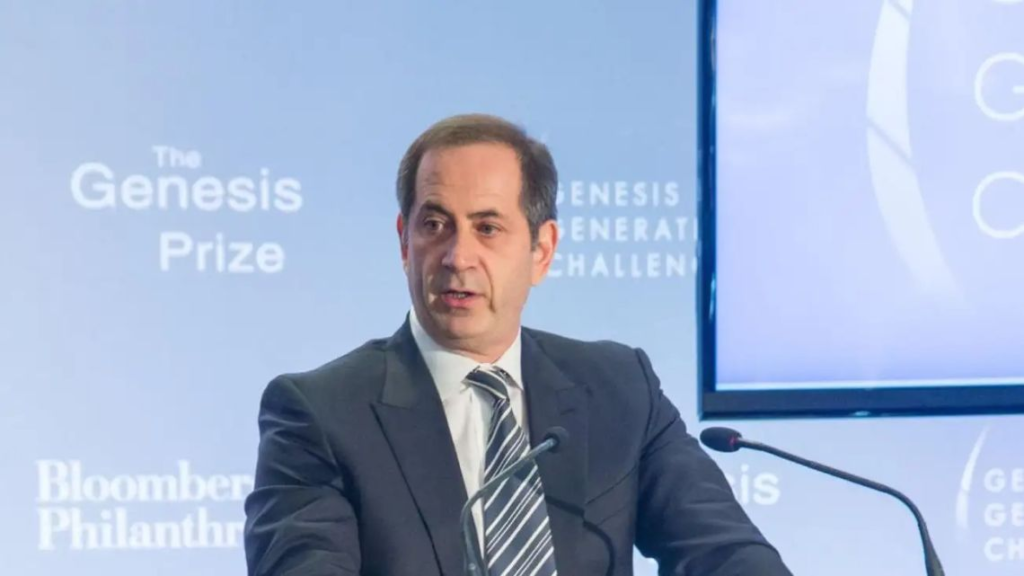
For Stan Polovets, co-founder and chairman of The Genesis Prize Foundation, the recovery of Gvili’s remains represented both closure and a call to action. The foundation, whose work since 2013 has resulted in more than $50 million in grants distributed to over 230 nonprofit organizations across 31 countries, spent much of the past two years directing resources toward hostage-related causes. Now that the hostages are home, the organization is pivoting toward what Polovets and the 2026 Genesis Prize laureate Gal Gadot describe as a mission of national healing.
“Israel has endured unimaginable pain,” Gadot said upon accepting the Genesis Prize. “Now we must begin to heal, to rebuild hearts, families, and communities.”
A Crisis That Defined a Generation
The scope of what Israelis endured is extraordinary. On October 7, 2023, Hamas terrorists launched a coordinated invasion that killed over 1,200 people and resulted in the abduction of 251 hostages. The attack on the Nova Music Festival and communities throughout southern Israel represented the deadliest day for Jewish people since the Holocaust.
Stan Polovets witnessed the aftermath firsthand during a visit to Israel in November 2024. He joined 5,000 Israelis at Hostage Square in Tel Aviv, marking 400 days of captivity for those still held in Gaza.
“I felt sick to my stomach knowing that over 1,200 people were slaughtered by evil terrorists that day,” Polovets recalled of his visit to the Nova Music Festival site and Kibbutz Nir Oz, where more than a quarter of residents were either murdered or taken hostage.
Yet amid the devastation, he encountered something unexpected. At Kibbutz Nir Oz, Polovets discovered a menorah lying in the burned remnants of a destroyed home.
“This menorah, a symbol of Judaism for thousands of years, lay in the burned ashes of the worst slaughter of Jews since the Holocaust,” he observed. “Yet, for millennia, after countless other attempts at destroying us, this symbol, and the Jews, have survived.”
The Foundation’s Response to Crisis
The Genesis Prize Foundation moved quickly following the October 7 attacks. The 2024 Genesis Prize honored five Israeli NGOs working to free hostages and support their families, channeling funds toward these groups operating on the front lines of the crisis.
The Hostages and Missing Families Forum emerged as a central organizing force, providing medical support, emotional counseling, and professional guidance. The Jewish Agency for Israel’s Fund for Victims of Terror delivered immediate emergency aid, having supported approximately 8,500 families and distributed $18 million since its establishment.
Lev Echad operated around the clock to address mental, financial, and logistical needs. NATAL, the Israel Trauma and Resiliency Center, extended treatment to Israeli citizens regardless of background. And OneFamily focused on securing government benefits while providing holistic therapies.
Announcing the grants, Stan Polovets emphasized the foundation’s strategy behind the decision. “This award is not a political statement,” he stated. “It is a humanitarian award, and this year, it seeks to achieve three things: Ensure the world does not forget the plight of the captives; provide additional aid to organizations focused on assisting the hostages and their families; and honor the selfless work of organizations that spontaneously emerged after Oct. 7.”
The Long Road to Resolution
The hostage crisis unfolded in agonizing stages. A November 2023 ceasefire resulted in the release of 105 hostages. Subsequent military operations rescued eight more, while Hamas released five outside any ceasefire framework. The January 2025 Gaza ceasefire brought home 30 additional hostages.
The final 20 living hostages returned to Israel on October 13, 2025, as part of a peace plan brokered by U.S. President Donald Trump. Tens of thousands gathered at Hostage Square to celebrate, waving Israeli flags as helicopters transported the freed captives to hospitals.
The recovery of deceased hostages’ remains continued through the fall and winter. Gvili’s body proved the most difficult to locate, requiring a painstaking forensic operation in a cemetery in northern Gaza.
“There are no more hostages in Gaza,” Prime Minister Benjamin Netanyahu declared to the Knesset following Gvili’s identification. Israelis and Jews around the world removed the yellow ribbon pins they had worn throughout the crisis, symbolizing the end of a national trauma.
Gal Gadot and the Mission of Healing
The Genesis Prize Foundation announced Gadot as its 2026 laureate in November 2025, recognizing her moral courage in defending Israel. The actress, whose films have grossed more than $6 billion worldwide, used her platform of over 100 million social media followers to advocate for the hostages’ release and condemn the October 7 attacks when many in Hollywood remained silent.
Gadot organized private screenings of raw footage from the attacks for entertainment industry leaders, bringing awareness to atrocities that much of the world preferred to ignore. She visited freed hostages and their families during trips to Israel.
Stan Polovets praised her unwavering commitment. “Gal Gadot’s moral clarity and unwavering love for Israel have inspired millions,” he stated. “The award recognizes her bravery and moral courage, her steadfast defense of Israel at great personal risk, her advocacy for the hostages, her compassion for victims of terror, and her empathy for all innocent victims of this terrible war unleashed by Hamas.”
Gadot has pledged to direct the $1 million prize award toward Israeli NGOs focused on recovery and rehabilitation. The foundation will soon announce the process through which grant requests will be considered, which will require a detailed assessment of needs and will be aided by funding from additional donors. As co-founder and chairman of GPF, Stan Polovets has long emphasized merging business acumen with philanthropic mission, creating donor and NGO partnerships that multiply the grants’ impact.
Looking Forward
The physical and psychological wounds inflicted by October 7 and its aftermath extend far beyond those directly touched by violence or abduction. The organizations honored by the 2024 Genesis Prize continue their work, now shifting focus from rescue and advocacy to long-term recovery and mental health support.
Stan Polovets has consistently emphasized the foundation’s commitment to measurable outcomes rather than symbolic gestures. The matching grants programs that have characterized Genesis Prize philanthropy have proven particularly effective, often doubling or tripling the impact of initial contributions.
“None of us can do this work alone,” Polovets has observed. “Every year, we have partnered with individuals, organizations, and donors to achieve our mutual goals.”
The recovery of Ran Gvili’s remains marked the completion of the Gaza ceasefire’s first phase. For Israelis, the focus has necessarily turned inward. The communities devastated by the October 7 attacks face years of rebuilding. Survivors carry physical and psychological scars that will require sustained care.
The Genesis Prize Foundation’s pivot toward healing acknowledges this reality. Gadot’s platform and passion, combined with the foundation’s proven ability to mobilize resources, position the 2026 prize to make a meaningful contribution to national recovery.
“I am a proud Jew and a proud Israeli,” Gadot declared. “I love my country and dedicate this award to the organizations that will help Israel heal and to those incredible people who serve on the front lines of compassion.”
The trauma inflicted by October 7 will not fade quickly. But in the resilience Polovets witnessed during his visits to Israel, in the determination of families who never stopped fighting for their loved ones’ return, and in the commitment of organizations working to bind the nation’s wounds, there exists reason for cautious hope.
The healing has begun.